 Denzil Otieno
How to Audit Your SaaS Content for Buying Signals
How to audit SaaS content for buying signals: five tests (buyer stage, question density, objections, navigation paths, language shifts) that reveal real intent.

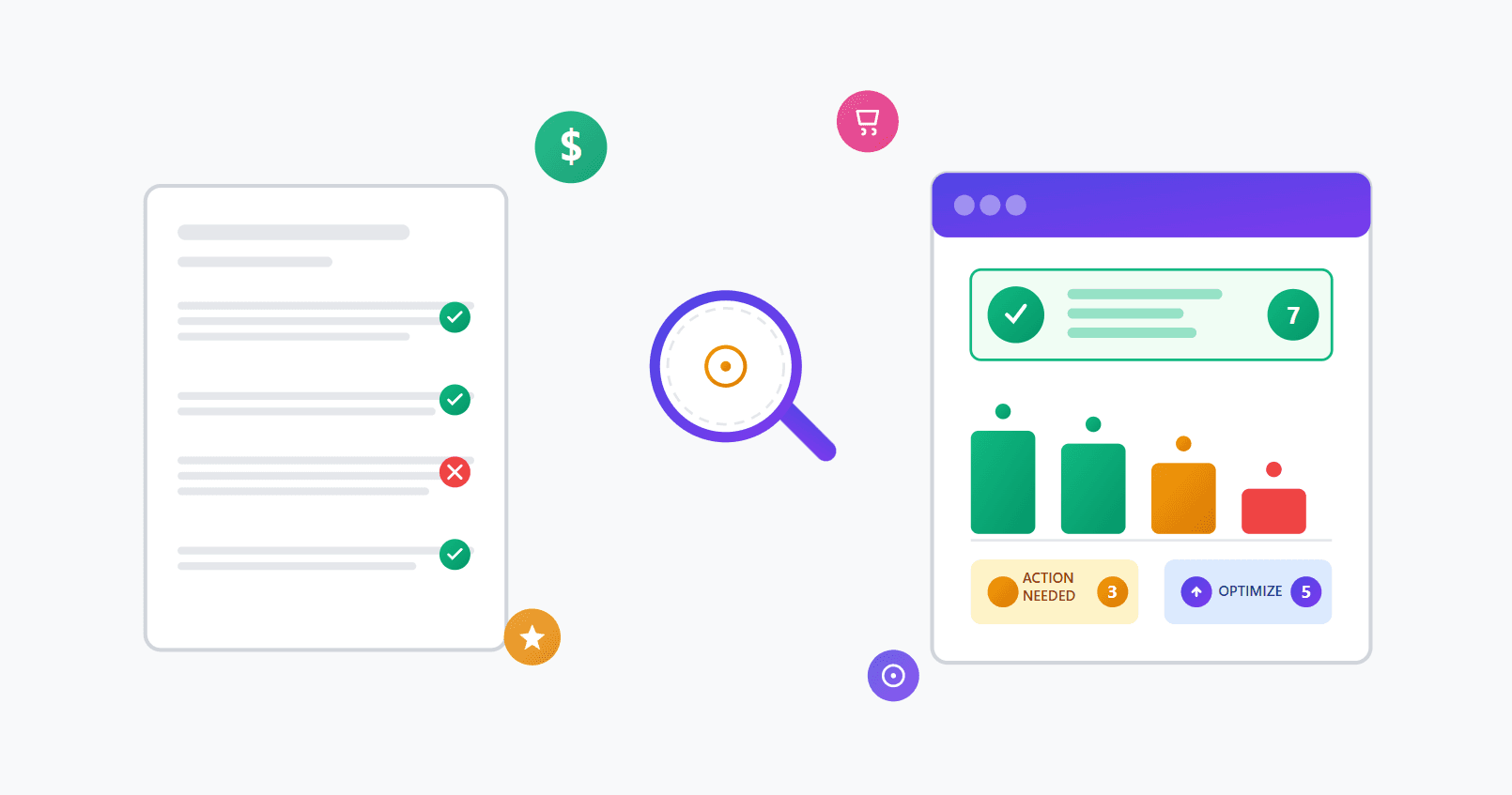
Most SaaS content is built to attract attention.
Very little of it is built to recognize intent.
Your buyers are already telling you when they are close to a decision.
They do it through the pages they visit, the questions they imply, and the paths they repeat.
Those signals exist across your site right now.
They just aren’t being audited.
Instead, teams track traffic, time on page, and scroll depth.
Useful numbers.
Wrong lens.
Buying signals don’t show up as spikes in engagement.
They show up as moments of evaluation.
This post shows you how to audit your SaaS content for those moments.
Not to publish more.
To see what your buyers are already saying before they raise their hand.
What a Buying Signal Actually Is
A buying signal is any behavior or question that narrows choice. It appears the moment a reader stops exploring and starts evaluating.
At that point, information changes role. It’s no longer helping someone understand the space. It’s helping them eliminate options. Comparison replaces curiosity. Fit matters more than novelty.
This shift happens long before demos, trials, or contact forms. By the time those actions occur, the buyer is already acting on a decision in progress.
You can see buying signals in the language people gravitate toward. Words that imply constraints, trade-offs, risk, and replacement start to dominate. You can see them in navigation as well. Features lead to integrations. Integrations lead to security. Security leads to pricing. Each step tightens the frame.
You can also see them in repetition. Pages get revisited. Specific sections get reread. The buyer isn’t searching for new information. They’re looking for confirmation.
Buying signals reduces uncertainty. They steady the decision and move it forward without force or persuasion.
Why Most Content Audits Miss Buying Signal
Most content audits are designed to measure visibility. They’re built to tell you what’s getting seen, not what’s being decided.
SEO audits focus on keywords, rankings, and coverage gaps. They explain what people searched for, but not why they stayed, what they compared, or where they went next. Intent gets flattened into volume.
Engagement metrics introduce the same distortion. Time on page, scroll depth, and shares reward curiosity and consumption. They favor content that keeps someone reading, not content that moves them closer to a decision.
Audit scope compounds the problem. Pages are reviewed one at a time, scored in isolation, and adjusted independently. Each page gets its own verdict, disconnected from the path that brought the buyer there.
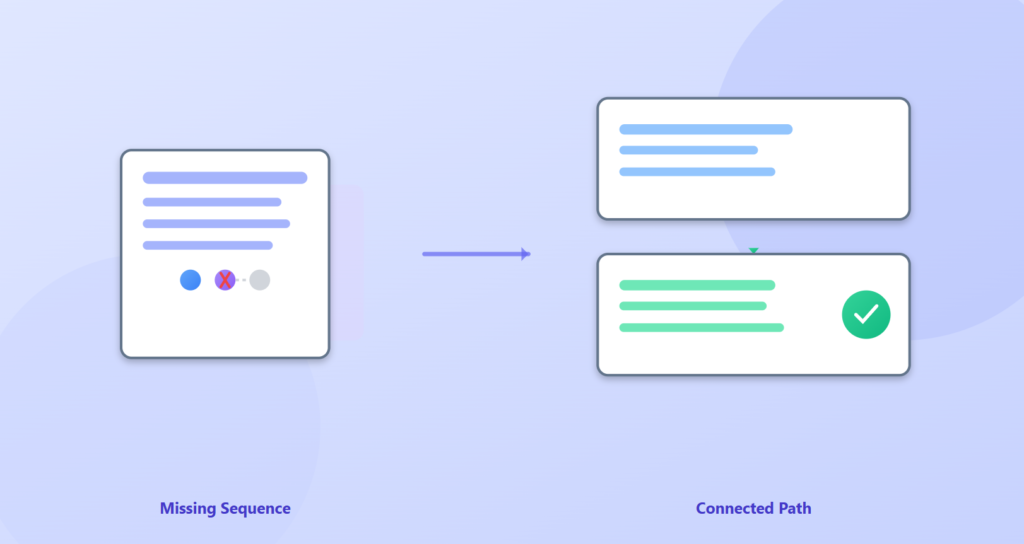
Buying signals don’t live on single pages.
They live in sequences.
The outcome is predictable. Teams improve content that explains, while the content that should convince remains underdeveloped.
The Buyer-Stage Mapping Test
Before you can audit for buying signals, you need to know what kind of decision each page is meant to support.
Every page serves a stage, whether you intended it or not.
Identify the Decision Stage Each Page Serves
Most SaaS content fits into one of four stages:
- Problem-aware content frames the pain and names the cost of staying the same.
- Solution-aware content introduces categories and approaches.
- Vendor-aware content positions your product against alternatives.
- Decision-ready content supports commitment.
Clarity here matters more than cleverness.
When a page tries to speak to multiple stages, it blurs intent.
Blurred intent weakens buying signals.
A page should help a reader move forward, not sideways.
Flag Pages That Should Trigger Evaluation
Some pages exist almost entirely to support decision-making.
- Pricing pages.
- Comparison pages.
- Integrations.
- Migration guides.
- Security and compliance.
These are not educational assets.
They are evaluative assets.
When someone lands on these pages, exploration is already over.
These pages should feel heavy with intent.
The Question Density Test
Buying signals often appear as questions the reader never writes down.
They’re implied by what someone scans for, rereads, or slows down on.
Your job is to surface those questions and see whether the page carries the answers.

Extract the Questions Implied by the Page
High-intent pages always carry a small set of evaluative questions:
- Will this work in our setup?
- What actually changes if we switch?
- How risky is this decision?
These questions rarely appear verbatim.
They sit underneath the behavior.
Buying signals surface as unstated questions.
Check Whether the Page Answers Them Directly
Strong pages respond without detours.
They make outcomes explicit.
They name limits without hedging.
They show the next step without friction.
If the answer requires another click, the signal leaks.
The Objection Presence Test
Every buying decision carries resistance.
Not hesitation, but self-protection.
Your buyers are weighing risk, credibility, effort, and consequence. Those concerns surface most clearly in sales conversations, not analytics dashboards. That’s where buying friction is spoken plainly.
If an objection is strong enough to slow a deal, it’s strong enough to deserve space on the site.
List the Top 5 Sales Objections
Start with what sales already knows.
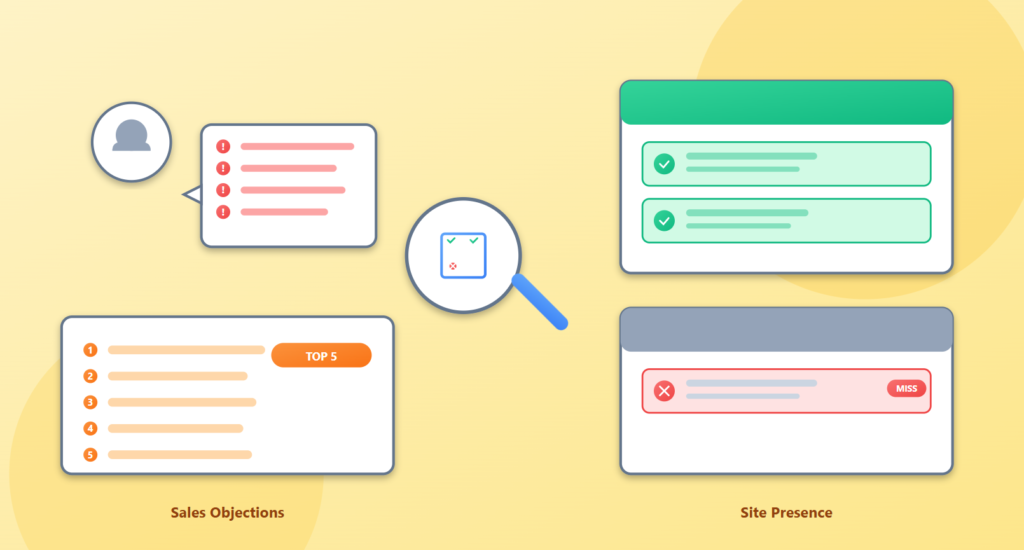
Pull objections from real moments: live calls, demos that stalled, deals that went quiet. Patterns matter more than edge cases. If the same concern keeps coming up, it reflects a real decision barrier.
This list becomes your audit lens.
Audit Where Those Objections Appear on the Site
Once the objections are clear, look for them across your content.
- Are they named directly, or softened into reassurance?
- Are they answered with specifics, or implied through positioning?
- Are they easy to find, or hidden behind generic benefit statements?
When objections aren’t addressed openly, buyers don’t move past them.
They pause, defer, or choose the safer option.
Unspoken objections suppress buying behavior.
The Navigation Path Test
Buying intent is rarely expressed in a single click.
It shows up in movement.
When a visitor is evaluating, their navigation becomes deliberate. Pages stop being destinations and start acting like checkpoints. Each click answers a question and raises the next one.
That sequence is the signal.
Track High-Intent Click Sequences
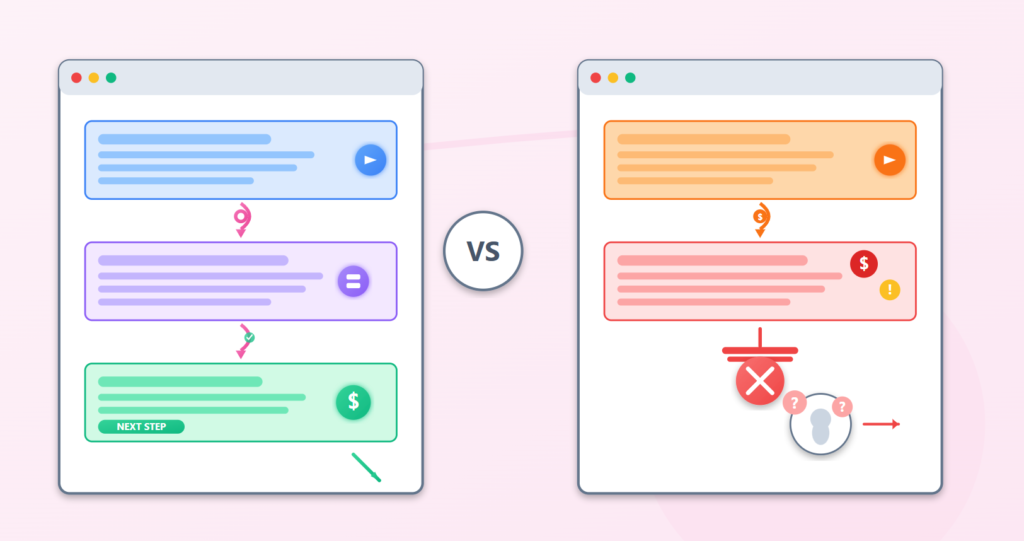
Look for repeated paths that move from understanding toward validation.
A reader starts with a blog post, then moves into a specific use case, then checks pricing.
Another visitor explores a feature, confirms it works with an integration, then looks for security details.
These paths aren’t accidental.
They reflect how buyers reduce risk.
Buying signals cluster because decisions require confirmation from multiple angles. Fit, feasibility, and safety are evaluated together. When those elements appear in sequence, intent is already present.
Your audit should map these paths explicitly. Not to optimize individual pages, but to understand how intent builds across them.
Identify Dead Ends After High-Intent Pages
Once you’ve identified high-intent sequences, examine where they break.
- A pricing page that doesn’t lead to next steps.
- An integration page with no clear path to security or implementation.
- A security page that ends without reassurance or progression.
When a buying signal is followed by friction, momentum resets.
The visitor doesn’t push through. They pause, defer, or leave to seek confirmation elsewhere.
High-intent pages should never feel terminal.
They should guide evaluation forward, not force the buyer to figure out what comes next.
Navigation is not just usability. It’s decision support.
The Language Shift Test
As buyers move closer to a decision, the way they process information changes.
They stop trying to understand the space and start trying to judge fit.
Language that works early in the journey becomes insufficient later on.
An audit needs to catch that shift.
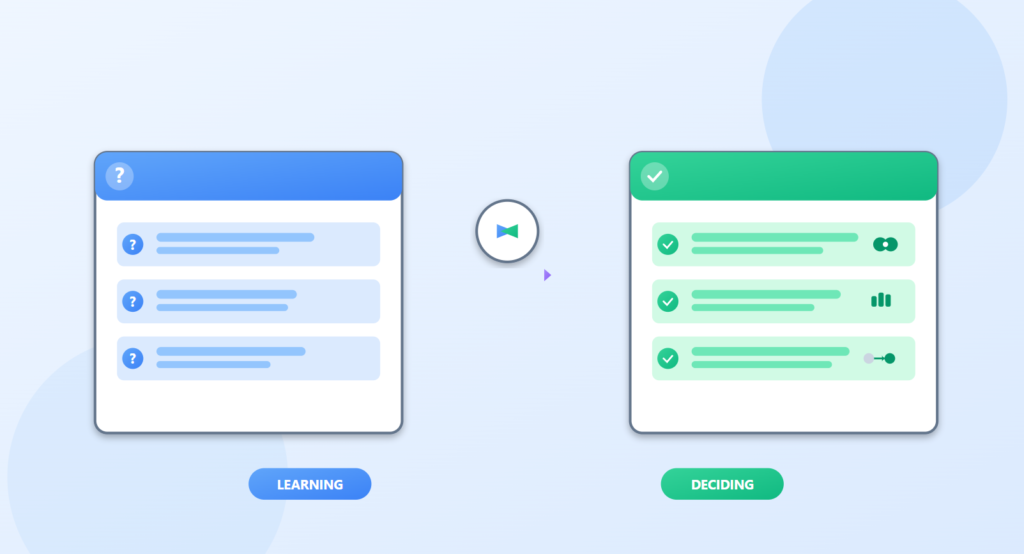
Compare Educational vs Evaluative Language
Educational language is explanatory.
It helps someone learn, orient, and make sense of a problem.
It relies on questions like what the product does, why it exists, and how it works. This language is useful when the buyer is still forming a mental model.
Evaluative language supports judgment.
It helps a buyer decide whether this option fits their constraints.
It shows up in phrases like works with, replaces, scales to, and required. This language assumes intent. It acknowledges that a comparison is already happening.
High-intent pages should lean heavily in this direction.
When they don’t, buyers feel a mismatch. They are ready to decide, but the content keeps explaining.
Buying signals use evaluative language because decisions depend on fit, not understanding.
Scoring Pages for Buying Signal Strength
Once you’ve identified buying signals, the next step is prioritization.
Not every page deserves the same level of attention, and not every weakness matters equally.
Scoring pages creates focus.
This isn’t about building a reporting system or adding another dashboard. The goal is to make intent visible so you know where small changes will have an outsized impact.
Start with five criteria.
-
Stage alignment: Each page should clearly serve one decision stage. When the stage is obvious, the reader knows how to use the page. When it isn’t, intent diffuses and evaluation slows.
-
Question clarity: High-intent pages should surface and resolve the questions buyers are already asking. If those questions are implied but unanswered, the page creates friction instead of confidence.
-
Objection visibility: Strong pages acknowledge resistance directly. They name common concerns and respond with specifics. Pages that avoid objections appear polished but feel incomplete during evaluation.
-
Path continuity: A buying signal should lead somewhere. Pages that attract intent must guide it forward, whether that’s deeper validation, risk reduction, or commitment. Broken paths waste momentum.
-
Evaluative language: Decision-stage pages should help buyers judge fit. Language that remains purely educational signals the wrong moment and weakens intent.
Score each page simply.
Strong, mixed, or weak is enough.
You’re not aiming for precision.
You’re identifying where buying signals already exist and where they’re being muted.
Clarity here drives action.
What to Fix First After the Audit
An audit creates awareness.
Impact comes from sequencing the fixes correctly.
Not all pages contribute equally to revenue, and not all gaps deserve immediate attention. The fastest gains come from tightening places where intent already exists.
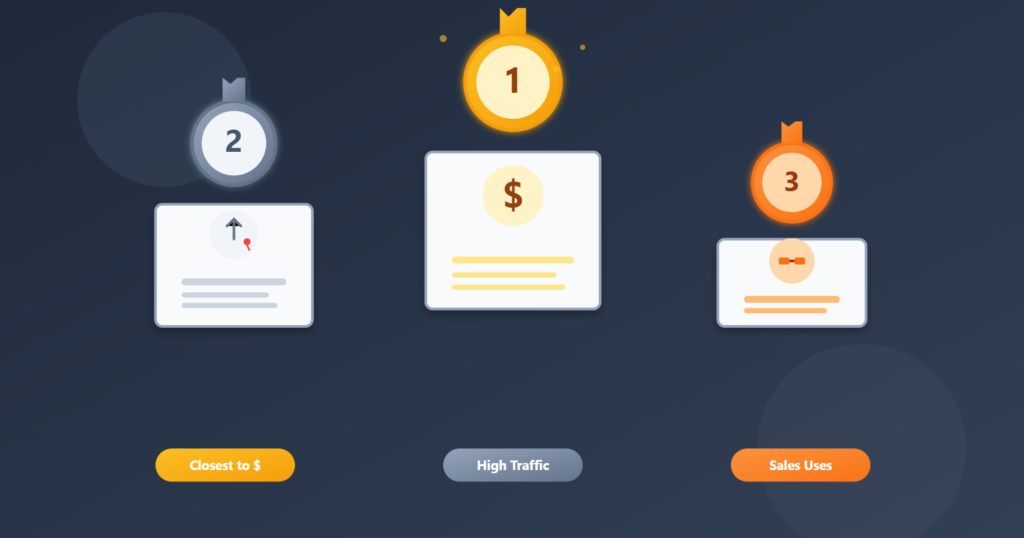
Start with pages closest to revenue.
These pages sit immediately before commitment. Pricing, comparisons, security, integrations, and migration content all support final evaluation. Even small improvements here can remove hesitation at the moment it matters most.
Next, look at pages with high traffic and low conversion.
These pages attract interest but fail to move buyers forward. That gap usually signals missing answers, unaddressed objections, or broken paths. The audience is already there. The intent just isn’t being supported.
Then focus on the pages sales already relies on.
If sales shares a page during a call or follows up with it after a demo, that page is part of the buying process whether you planned it or not. It should be optimized for evaluation, not explanation.
Fixing buying signal gaps compounds fast because it sharpens existing behavior.
You’re not creating demand.
You’re removing friction from decisions already in motion.
Buying Signals Are Already There
Most SaaS teams respond to weak conversion by adding more content. New pages, new posts, new explanations layered on top of the old ones.
That reaction misses what’s already happening.
Your buyers are signaling intent through their behavior. They revisit specific pages. They move through predictable paths. They slow down where risk needs to be resolved. None of that requires more content to exist. It requires clearer reading.
When content is audited for buying signals, it begins to support decisions instead of just distributing information. Pages guide evaluation forward. Language reflects judgment, not discovery. Objections are addressed directly, without being softened or avoided.
Buying behavior starts when hesitation is removed.
Not when excitement is added.
The work is not to publish more.
It’s to recognize the intent already present and respond with clarity.
Keep reading